
How much does septic tank pumping cost?
The short answer sits inside a range, not a fixed number. A straightforward day-rate pump-out for a residential tank runs 150 to 300 dollars, and that band covers most single-family homes in Greeley with normal truck access to the tank lid. Weekend calls run 50 to 150 dollars as a separate rate structure, often used for smaller top-off jobs rather than a full pump. What moves the number inside that range: how deep the tank sits, whether the lid needs digging out, and how far the truck has to run its hose. A tank that has gone past its interval and built up solids takes longer to service than one on a normal schedule, similar to how a neglected porta john rental needs extra attention after heavy use. If you are weighing a full system versus a temporary fix while you wait for a contractor, a holding tank rental can bridge the gap. Homeowners searching septic tank cleaning prices usually find the range tighter once they know their tank size and last service date, which is worth having ready when you call for a quote through request a quote.
What determines septic tank cleaning prices?
Tank size drives most of the cost difference between jobs. A 1,000 gallon tank costs less to service than a larger commercial-grade tank, and pump trucks price partly by volume and partly by the time on site. Access matters just as much as size. A lid buried under landscaping or a tank set behind a fence needs extra labor before the hose ever goes in, and that time gets built into the day-rate service fee. Greeley Porta Pros also factors in solids buildup: a tank serviced on schedule pumps clean and fast, while one that has gone years past due often has hardened solids that slow the job down. Household size and tank size together set your ideal how often to pump a septic tank interval, and staying close to that schedule is the single biggest lever on your long-term cost, the same way a porta potty rental cost depends on duration and unit count. Grease-heavy systems are a different animal entirely; those get evaluated on the same principle used for grease trap pumping, where a grease interceptor is pumped once fats, oils, grease and solids reach 25 percent of the liquid depth.
Is 1000 gallon septic tank pumping cost different from a larger tank?
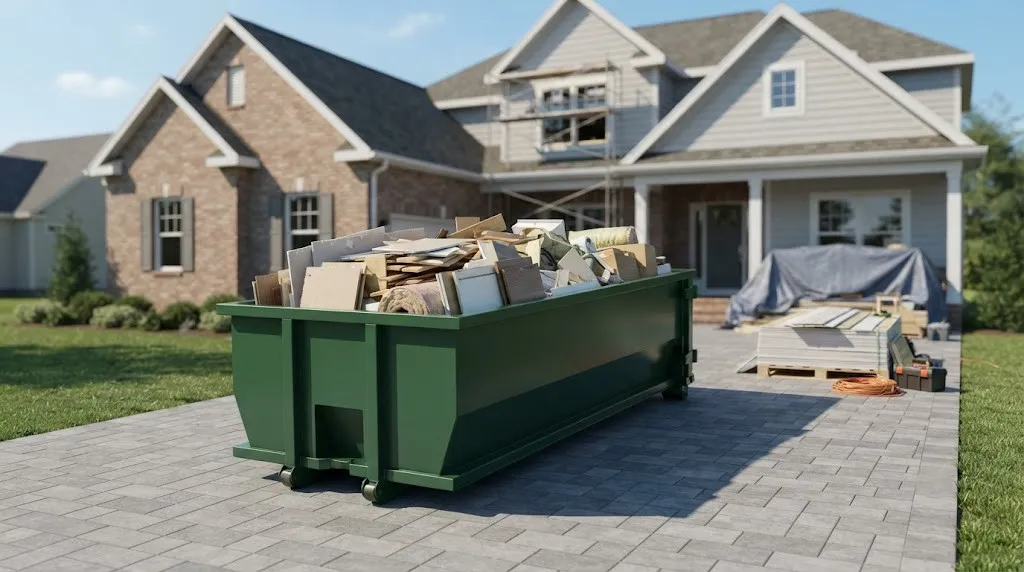
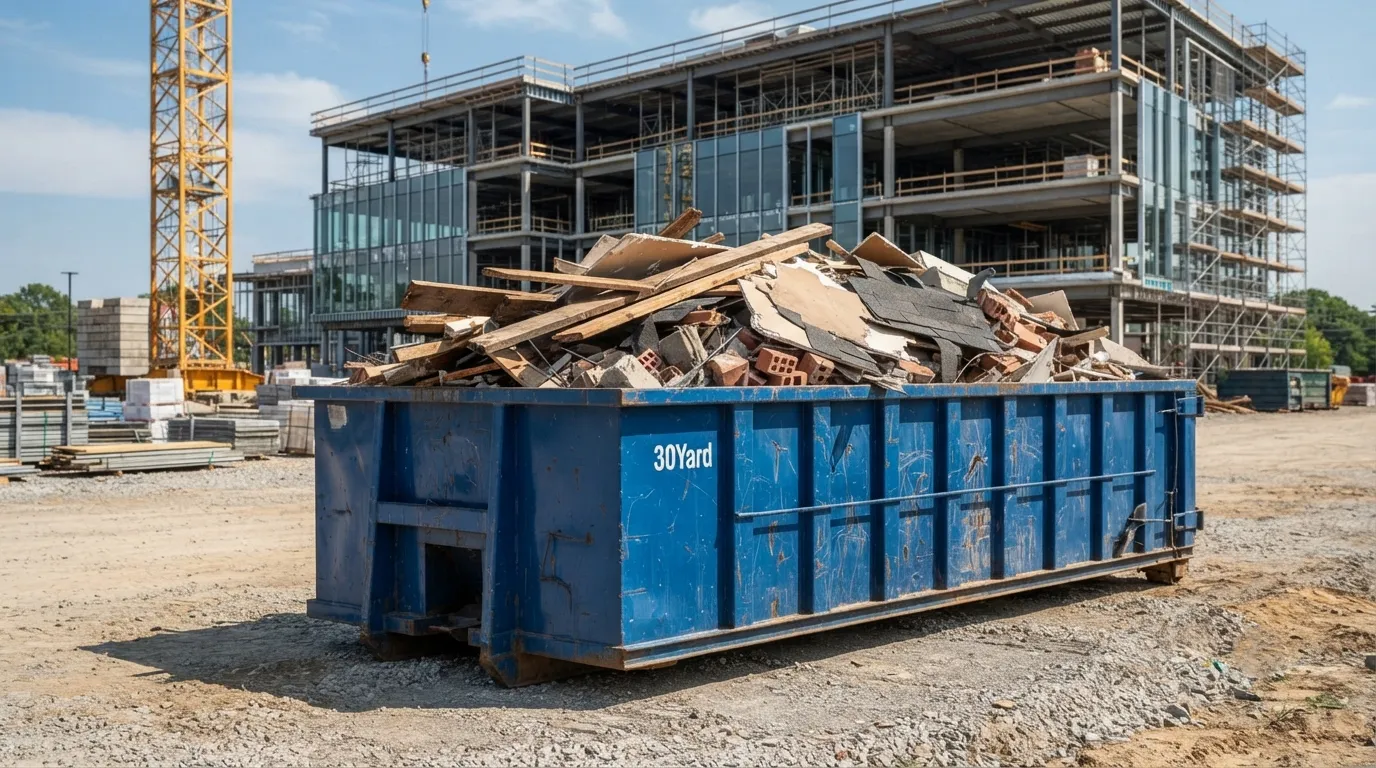
Yes, tank size is the first number that sets the price bracket. A 1,000 gallon tank is the common size for a residential lot in Greeley and typically falls at the lower end of the day-rate range. Larger tanks, or systems serving more than one household connection, take longer to empty and often carry a higher service fee because the truck spends more time on site and may need a second load. If your property runs a system beyond standard residential scale, ask specifically about tank capacity when you request a quote, much like you would compare a 20 yard dumpster rental against a 30 yard dumpster rental by volume, so the estimate reflects your actual gallons rather than a general average. Commercial kitchens and food service properties sit outside this comparison entirely and should look at septic tank cleaning scheduling built around grease volume, not household size. For agricultural operations with hand-labor crews, OSHA 1928.110 sets a separate sanitation standard: one facility per 20 employees within a quarter mile walk, which is a different calculation than a home septic system and worth reviewing under farm and agricultural restrooms if your property runs both a house and field crew.
When should I schedule septic tank pumping near me?
Schedule before you see backups, slow drains or standing water near the drain field, not after. Those are the warning signs covered in detail under septic tank warning signs, and by the time they show up, the job usually costs more because solids have had time to compact. The standard interval is every 3 to 5 years for a typical household tank, adjusted for how many people live in the home and how much water the system processes daily. Greeley homeowners on well water or larger families often land toward the 3-year end of that range. Booking a fixed weekly service pattern makes sense for larger properties or ones running greywater-heavy operations, the same planning that goes into a monthly porta potty rental for a long job site; ANSI/PSAI Z4.3 sets a baseline service interval of once per week for portable sanitation under moderate use, and while that standard applies to portable units rather than septic tanks directly, the same logic of matching service frequency to actual usage volume applies to your tank schedule. If you are unsure where your property sits, septic pumping service scheduling can walk through your tank size and household count together, and if you are also planning an outdoor gathering, check event restroom rental while you are at it.
Can I compare septic tank pumping cost across service types?
Yes, and the comparison usually comes down to day rate versus a scheduled recurring plan. The table below lines up the most common service structures homeowners and property managers in Greeley ask about.
| service | duration | typical cost |
|---|---|---|
| septic pump-out | day | 250 |
| septic pump-out | weekend | 100 |
| holding tank rental | month | 125 to 250 |
A one-time day-rate pump-out covers most residential needs, similar in structure to a porta potty rental per day quote for a short job. A holding tank rental makes sense for construction sites, renovation projects, or properties waiting on a septic repair, and pricing there runs closer to a monthly storage model. If your project also needs waste hauling alongside the septic work, a roll-off dumpster rental or a 10 yard dumpster rental often gets bundled into the same site visit for renovation jobs. Properties running an emergency situation, such as a failed tank during a home sale or a sudden backup, should call emergency septic service rather than wait for standard scheduling, the same urgency that applies to emergency porta potty rental when a site loses its restrooms.
Frequently asked questions
How much does septic tank pumping cost for a typical home?
A typical single-family home in Greeley with a 1,000 gallon tank runs 150 to 300 dollars for a standard day-rate pump-out. The exact number depends on access to the tank lid and how much time has passed since the last service. Weekend scheduling runs 50 to 150 dollars separately.
How often does a 1,000 gallon tank need pumping?
Every 3 to 5 years for most households, driven by tank size and how many people live in the home. Larger families or well-water households often need service closer to the 3-year mark. Staying on schedule keeps each pump-out faster and cheaper.
Does tank access affect the price?
Yes. A tank lid that is easy to reach costs less to service than one buried under landscaping, decking or a fence line. Extra digging time gets added to the day-rate fee before the pump-out itself even starts.
Is a holding tank rental cheaper than septic pumping?
They serve different purposes. A holding tank rental is a monthly rate for temporary waste storage, useful during construction or septic repair. It is not a substitute for pumping an existing tank and shouldn't be compared as a direct swap.
Can I bundle septic pumping with other site services?
Yes. Renovation and construction projects in Greeley often combine septic work with a construction dumpster rental, portable toilet rental, or even a temporary fence rental for site security, all on the same site visit, which can simplify scheduling and delivery logistics, and homeowners tackling a remodel often add a home renovation porta potty to the mix as well.
Next step
Get a delivery date
Tell us the address, the dates and the headcount. We size the order and confirm the route.