
How fast can you get restrooms and water to a disaster site in Greeley?
Speed depends on what is already staged nearby and what the road access looks like. Greeley Porta Pros keeps standard portable toilets and handwashing stations ready to move, and most emergency drops in Greeley happen the same day a call comes in. If a shelter or command post needs multiple units at once, an emergency porta potty rental request gets priority routing over standard bookings.
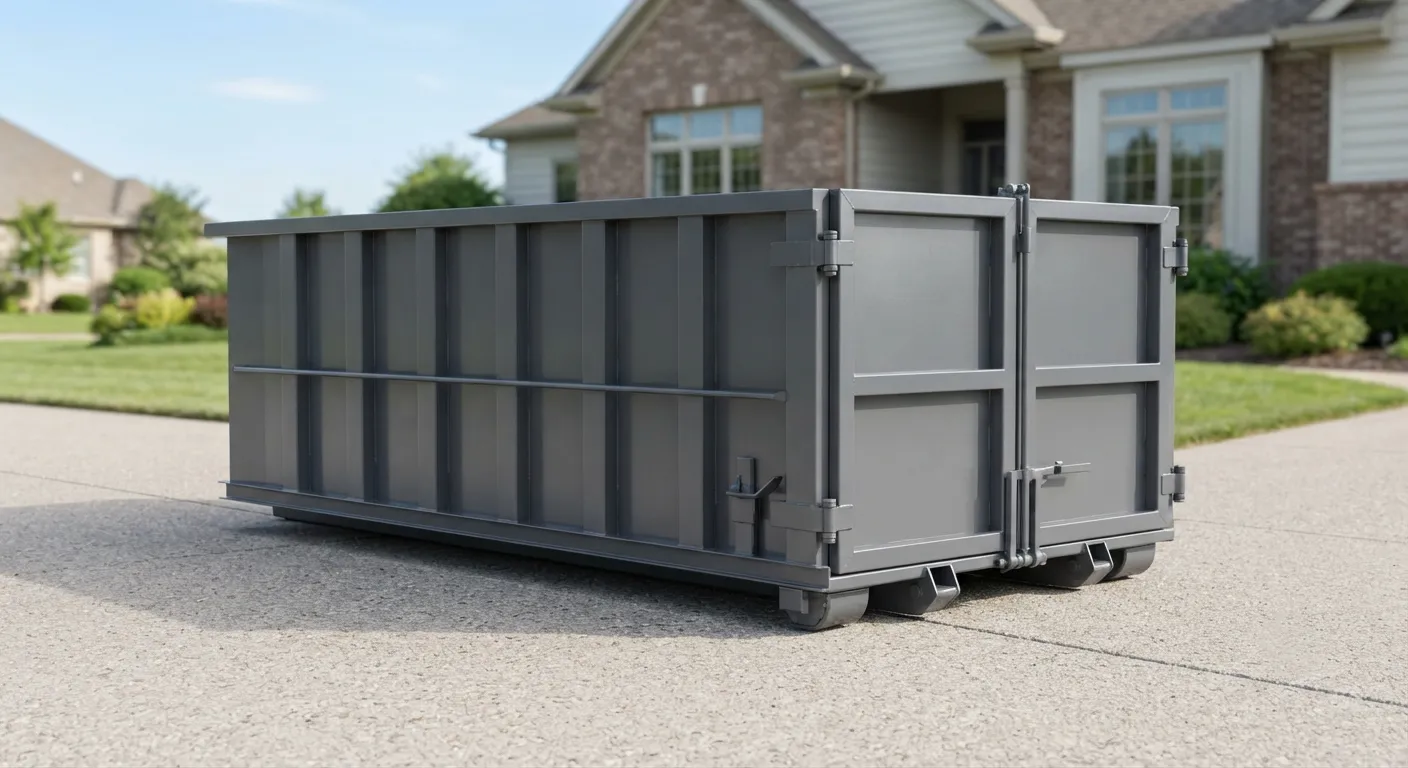
Access is the real constraint, not inventory. A roll-off dumpster delivery needs about 60 feet of straight clearance behind the truck, and disaster zones with debris, downed trees or washed-out driveways do not always have that. Crews assess the site first, then decide whether units go curbside, in a parking lot, or somewhere with a shorter approach. OSHA 1926.51(a)(1) requires an adequate supply of potable water at any place of employment, which applies directly to relief workers and volunteers staging on site, not just construction crews.
For water damage or fire response where a septic system has been compromised, a holding tank rental can bridge the gap until the system is inspected and repaired. Loveland sits about 17.8 miles west of Greeley, and Windsor is roughly 14.6 miles northwest, so mutual aid staging from those directions is workable inside a single afternoon if Greeley capacity runs short.
What sanitation equipment works best for shelters and staging areas?
Shelters need more than toilets. They need handwashing capacity that meets 29 CFR 1910.141(d)(2), which requires soap and towels or a hand-drying device at washing stations, because hand sanitizer alone does not satisfy that standard. A portable sink rental paired with several standard units covers a small shelter, while a larger intake center benefits from a restroom trailer rental with real fixtures and better privacy for people who may be displaced for days, not hours.
For crews working demolition, mold remediation or debris removal after a disaster, OSHA 1926.51(c) sets the toilet ratio: one facility for 20 workers or fewer, then one toilet seat and one urinal per 40 workers as crews scale past that. A 4 stall restroom trailer handles a mid-size relief crew without forcing rotation delays. If paint, coatings, or pesticide treatment is part of the cleanup, OSHA 1926.51(f)(1) requires washing facilities specifically for that contaminant exposure, which is a narrower rule than general handwashing and worth flagging to a site supervisor directly.
Accessibility does not get suspended during an emergency. ADA Standards section 213.2 requires that at least 5 percent of clustered single-user toilet units be accessible, with a minimum of one, so an ADA accessible porta potty belongs in every shelter deployment, not just permanent job sites. Debris cleanup also needs a place to put damaged material fast, and a construction dumpster rental or a 20 yard dumpster clears a staging lot quicker than repeated truck hauls.
| unit | duration | typical price |
|---|---|---|
| standard | day | $150 |
| standard | week | $200 |
| ada | day | $230 |
| dumpster | day | $75 |
| service_fee | day | $175 |
Should relief organizations budget for daily or weekly rental during extended response?
Duration should match how long the response actually runs, not how long it might run. A three-day deployment prices out cheaper on a daily rate, while anything past a week almost always favors the weekly rate, since a longer rental never costs less than a shorter one under a fair pricing structure. Organizations coordinating a multi-week response in Greeley should also look at temporary fence rental to secure a staging yard, since donated supplies and equipment left unsecured overnight tend to disappear.
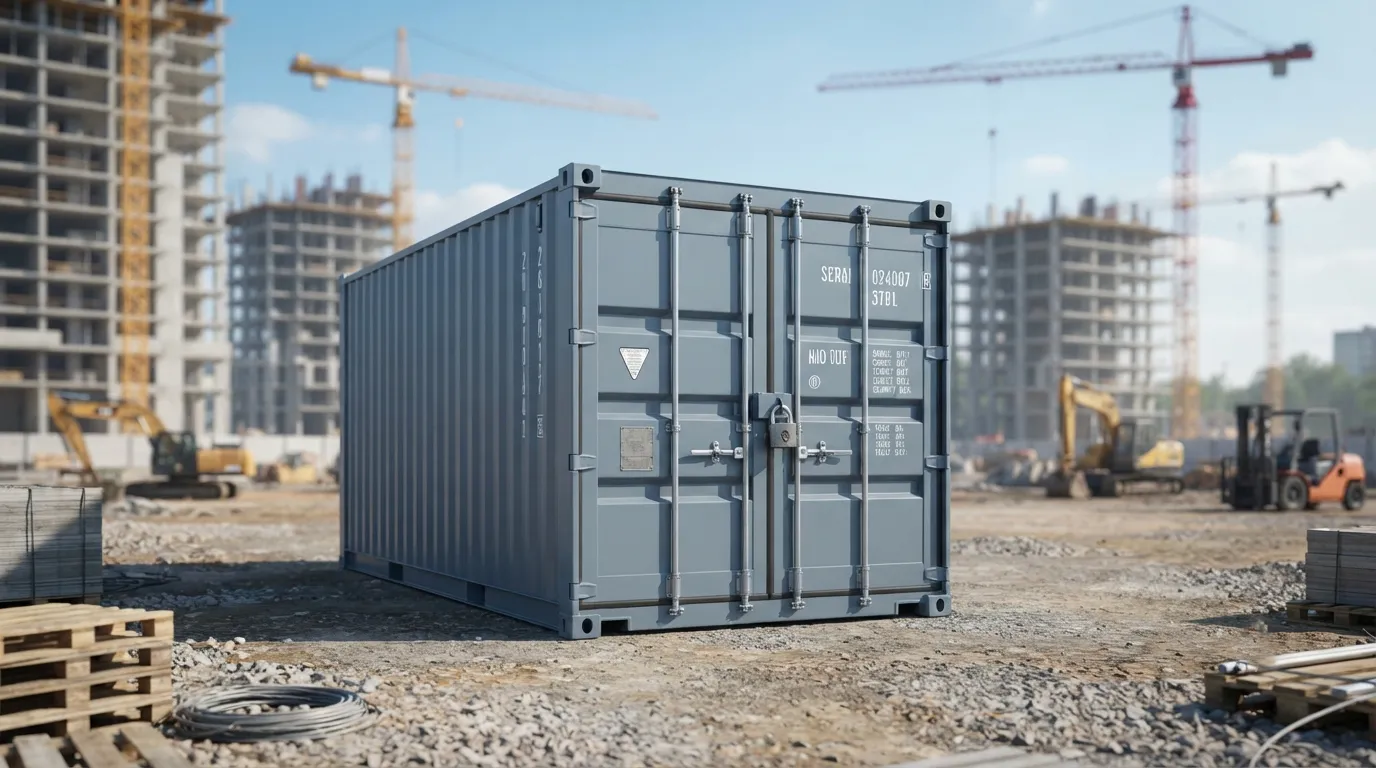
Storage matters too. A storage container rental keeps donated goods, tools and paperwork dry and lockable between shifts, and a mobile office trailer rental gives incident command a dedicated space to coordinate instead of running logistics out of a truck bed. Evans sits about 11.5 miles south of Greeley and Severance about 11.4 miles northwest, both close enough that equipment can shift between staging points in the same day if one site's needs change faster than expected.
Frequently asked questions
How many toilets does a shelter of 100 people need?
OSHA 1926.51(c) is written for worksites, not shelters, but it is the closest ratio guide available: one toilet for every 20 people at smaller counts. For 100 people, that points toward five or more units, plus at least one ADA-compliant unit per ADA Standards 213.2. Use the porta potty calculator guide to fine-tune the count.
Can you deliver on weekends or holidays during an active disaster?
Yes. Emergency response does not wait for a business day, and Greeley Porta Pros treats active disaster calls as priority dispatch regardless of the day. Weekend delivery fees run higher than a weekday drop, so ask about current weekend pricing when you call.
What if the site has no road access for a service truck?
Crews scout alternate placement, often closer to a cross street or lot edge. Every roll-off still needs roughly 60 feet of clearance behind the truck, so blocked driveways may mean units sit further from the actual damage than ideal.
Do you provide handwashing stations separate from restrooms?
Yes. A hand sanitizer station rental supplements but does not replace a proper handwashing setup under 29 CFR 1910.141(d)(2), which requires soap and towels. Most shelters order both together.
How quickly can equipment move if the disaster area shifts?
Same-day relocation is standard practice in an active response. Call Greeley Porta Pros directly, since shifting an emergency deployment needs a phone call, not a web form.
Next step
Get a delivery date
Tell us the address, the dates and the headcount. We size the order and confirm the route.