
How much does a 20 yard dumpster weigh empty?
The steel box itself, before anything goes in, generally runs 5,000 to 7,000 pounds. That empty weight matters because your hauler subtracts it from the scale ticket to bill you for what you actually threw away. A 10 yard dumpster rental weighs less empty and holds less debris, so it fits smaller cleanouts around Greeley better than a 20 yard box does. Heavier materials change the math fast, and the same logic applies to a 20 yard dumpster rental once shingles or dirt get involved. Shingles, concrete and dirt hit weight caps long before they fill the container visually, which is why a lot of Greeley homeowners rent a bigger box than they need just to stay under the ton limit rather than the volume limit. If you are debating 10 yard vs 20 yard vs 30 yard, weight is usually the deciding factor, not how much space the debris takes up.
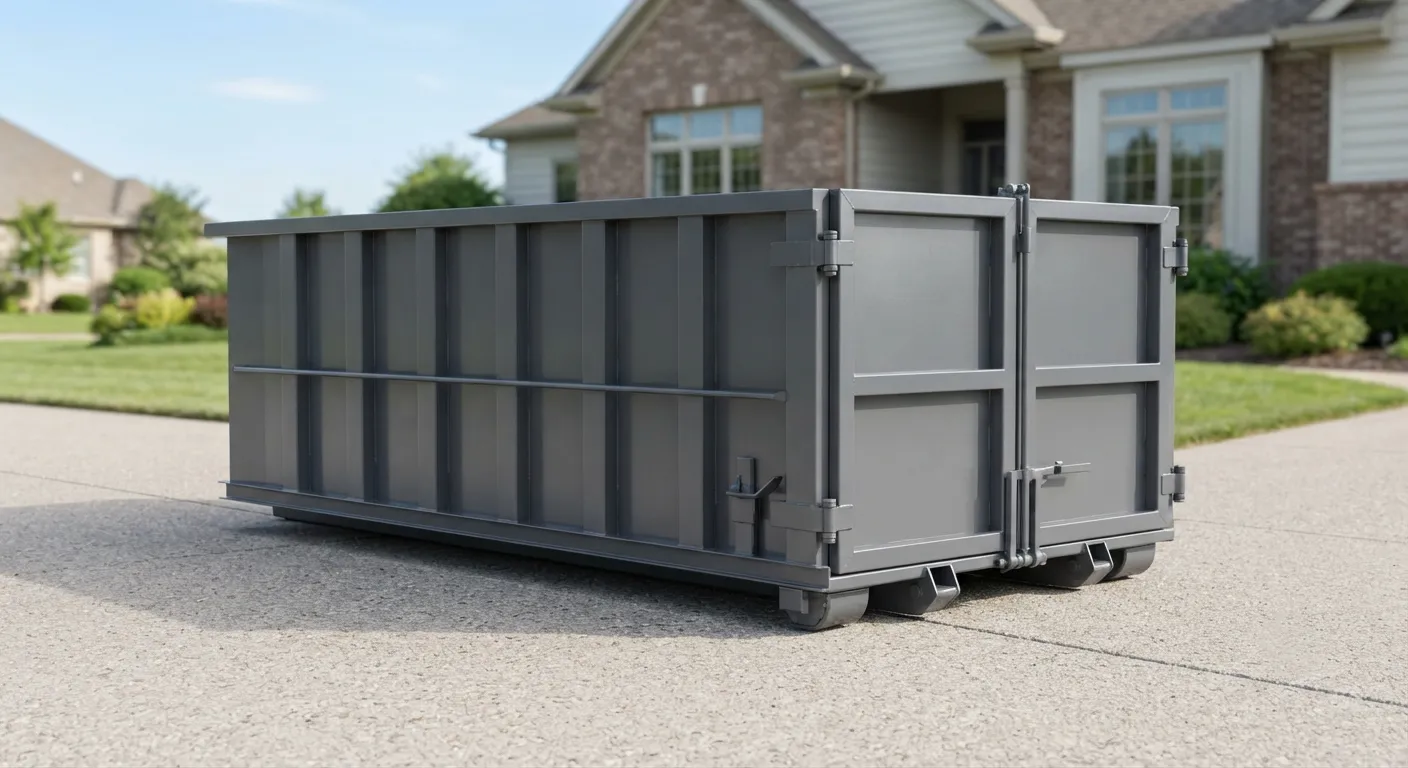
How many tons does a 30 yard dumpster hold?
Most haulers price a 30 yard dumpster rental with an included weight allowance of roughly 3 to 5 tons before overage fees apply. That range covers a full room gut or a mid-size renovation in Greeley without triggering extra charges, as long as the debris is mixed household waste and not dense material like brick or tile. Go over the line and the hauler bills per ton for the overage, which shows up on the final invoice, not the quote, so it helps to plan the job with construction site services in mind from the start. This is the same reasoning that applies whether you are running a roll-off dumpster rental job in Greeley or comparing notes with someone doing a roll off dumpster rental in Dayton, Ohio or a roll off dumpster rental in San Antonio: weight allowances are set by the hauler's fleet and disposal contract, not by a national standard, so the tonnage included with a 30 yard box in one city will not match another. Always confirm the ton allowance in writing before delivery, and check dumpster weight limits and permit rules together since both affect what gets delivered to your curb.
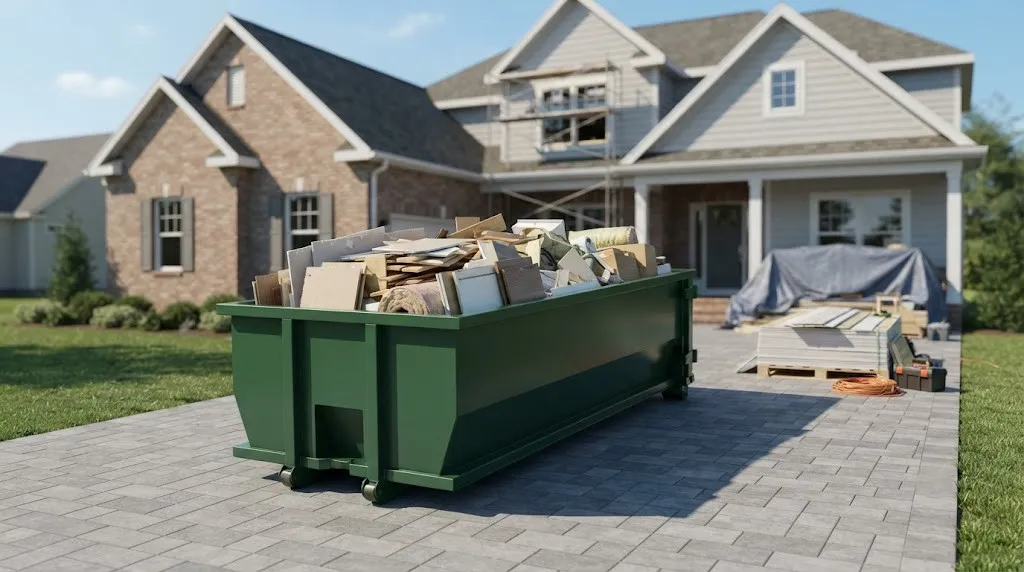
How many tons does a 40 yard dumpster hold?
A 40 yard dumpster rental typically carries a higher weight allowance than the 30 yard, often in the 4 to 6 ton range depending on the hauler's contract, but it is still meant for bulky, lightweight debris like framing lumber and drywall rather than dense fill. Construction crews working larger jobs in Greeley lean on the 40 yard box for volume, then rent a second, smaller container if the material is dense, sometimes pairing it with a construction dumpster rental plan that covers both loads. Delivery for any roll-off needs about 60 feet of straight clearance behind the truck, so measure your driveway or lot before booking, the same clearance a storage container rental delivery truck needs. If your Greeley address sits on a narrow lot or shares an alley, mention that when you book so dispatch can plan the drop with the driver instead of discovering the clearance problem on delivery day, and it is worth asking about temporary fence rental too if the site needs to stay secured overnight.
| dumpster size | typical weight allowance | best for |
|---|---|---|
| 10 yard | lighter loads, smaller allowance | garage or small room cleanout |
| 20 yard | 2 to 4 tons | kitchen remodel, roofing tear-off |
| 30 yard | 3 to 5 tons | whole-home cleanout, renovation |
| 40 yard | 4 to 6 tons | new construction, large commercial debris |
What happens if I go over the weight limit?
You get charged a per-ton overage fee added to your final bill after the loaded truck crosses the scale. There is no way around the scale ticket, whether the job also involves a septic pumping service or just the roll-off. It is the only accurate record of what you actually loaded, and haulers use it instead of guessing from a photo. This is also why what cannot go in a dumpster matters as much as size selection. Wet dirt, concrete, roofing shingles and yard debris with rootballs are all far heavier per cubic foot than household trash, and a container that looks half full can already be at its ton limit. If you are unsure how a project will weigh out, call ahead and describe the material instead of guessing off the size chart, the same advice that applies when sizing a portable toilet rental count for a crew on the same site. Comparing a dumpster rental cost quote against the weight allowance listed is the only way to know if you are looking at a fair price or a setup for a surprise overage bill later.
Frequently asked questions
How many tons does a 20 yard dumpster hold?
Most 20 yard containers carry a weight allowance of roughly 2 to 4 tons before overage fees kick in, though the exact figure depends on the hauler's disposal contract. Heavier debris like shingles or tile hits that limit well before the box looks full. Confirm the ton allowance with your Greeley hauler at booking, not after delivery.
Does a 30 yard dumpster cost more than a 20 yard?
Generally yes, since the box holds more volume and more weight before overage fees apply. Rental costs also scale with rental length, and a monthly dumpster rate differs from a weekly or daily one, similar to how porta potty rental cost shifts by duration. Ask for line-item pricing so you can compare weight allowance against total cost.
Can I put concrete or dirt in a roll-off dumpster?
Sometimes, but check first. Dense materials like concrete, dirt and brick add weight fast and can push even a large container past its ton allowance with only a partial load. Some haulers require a dedicated heavy-debris box for these materials. Ask before loading, since this affects what cannot go in a dumpster at all.
Do I need a permit for a dumpster in Greeley?
That depends on where the container sits. Placement in the public right of way needs confirming with the city before delivery. Check dumpster permit requirements for what to ask about, and keep the container on private property like a driveway if you want to avoid the question entirely, much like porta potty permit requirements hinge on where the unit sits.
How is dumpster weight actually measured?
The loaded truck crosses a certified scale at the disposal facility, and that ticket is the final word on tonnage. Your empty container weight is subtracted from the loaded weight to get your net debris weight. There is no estimating step. It is the number your invoice is built on, and if you need help planning a job that combines a roll-off with portable restroom rental or a request a quote walkthrough, ask when you book.
Next step
Get a delivery date
Tell us the address, the dates and the headcount. We size the order and confirm the route.